
Sight Lines Cleared Before Boundary Marking
Pre-Survey Thinning in Pinehurst for properties requiring vegetation removal before surveyor arrival
Survey crews need clear lines of sight between boundary markers—when dense timber and brush block those sight lines, either the survey gets delayed while vegetation is cut manually, or boundary accuracy suffers because the surveyor can't see from point to point. Pre-survey thinning removes that obstruction before the surveyor arrives, clearing understory and selectively processing trees along property lines so stakes can be placed and measurements taken without having to return later for rework. Big Dog Land Clearing handles this preparation across Lake Livingston area parcels, Montgomery County, and Harris County using Caterpillar mulching equipment that opens canopy without creating debris piles or requiring separate cleanup before survey work begins.
The service targets the vegetation blocking sight lines and access paths—not necessarily full clearing, but enough thinning to allow the surveyor to move equipment, establish line-of-sight between corners, and mark boundaries accurately. In the Oakhurst region and throughout East Texas lake properties, overgrown parcels routinely delay surveys by weeks when clearing isn't scheduled in advance.
Arrange a site consultation to identify survey line locations and thinning requirements.
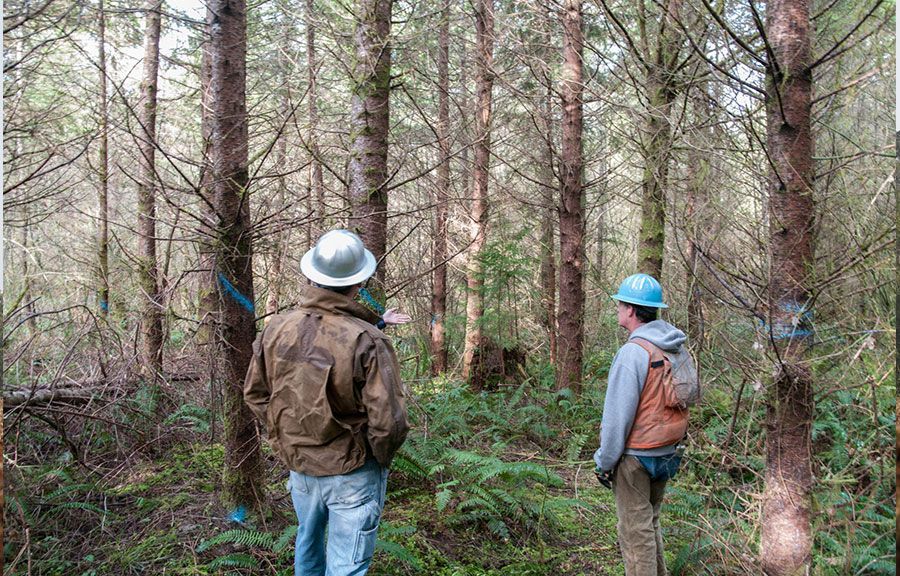
What Changes Once Thinning Is Finished
Selective removal focuses on the trees and brush directly obstructing survey paths—equipment clears corridors along anticipated boundary lines and opens areas where surveying instruments need setup space. The Caterpillar 275XE mulcher processes this vegetation into chips distributed on-site, leaving stable ground rather than the muddy tracks and slash piles that follow chainsaw work and manual dragging. Property managers and developers in the region use this as part of standard pre-development workflow, preventing the survey delays that push back permitting and construction schedules.
You notice clear access from road frontage to interior corners, visible boundary zones where tangled growth previously blocked movement, and a chip-covered surface that supports surveying equipment without sinking into soft ground. The thinning is completed before the surveyor arrives, which means the crew can begin work immediately rather than waiting for vegetation removal or attempting measurements through obstructed sight lines. Once the survey is complete and stakes are in place, those markers remain visible rather than disappearing back into regrowth within weeks.
Work is scheduled to align with survey appointments, ensuring thinning completes with enough lead time for the site to settle but close enough that regrowth doesn't reestablish before the surveyor finishes. The service integrates with broader land clearing projects—clients often schedule pre-survey thinning first, then complete full clearing after boundaries are confirmed and permits are secured.
Questions Before Starting Thinning Work
Clients preparing properties for development or resolving boundary disputes ask how much clearing is necessary and what timeline works best relative to survey scheduling.
What vegetation gets removed during pre-survey thinning?
The service targets trees and brush obstructing sight lines between boundary corners and along anticipated property lines—not necessarily everything on the parcel, but enough to allow surveying instruments clear line-of-sight and equipment access to corner locations.
How soon before the surveyor arrives should thinning be completed?
Finishing one to two weeks in advance allows the mulch layer to settle and provides stable ground for surveying equipment, while preventing enough time for aggressive regrowth to reestablish—East Texas properties can see significant sprouting within a month, so timing matters.
How does thinning prevent survey rework?
When surveyors can't see between boundary markers, they either delay the job until clearing happens or make measurements with obstructed sight lines, which reduces accuracy and can require a second visit—pre-clearing eliminates both issues and allows the survey to complete in a single session.
What happens to the cleared material?
The mulcher converts trees and brush into chips spread on-site rather than creating debris piles requiring separate removal—this leaves the property ready for immediate survey work without waiting for cleanup or haul-off.
How much thinning is required for typical residential parcels around Pinehurst?
Requirements vary based on vegetation density and property configuration, but most residential lots need corridor clearing along boundaries and access paths from the road to interior corners—heavily overgrown parcels may require more extensive work to establish clear sight lines.
Big Dog Land Clearing coordinates pre-survey thinning with property management and developer clients across the Greater Houston area as part of standard site preparation. Contact us to discuss survey scheduling and thinning scope for your project.